
By Jacob Robinson – Across the country—including in Akron—Americans are increasingly worried about certain economic and political issues that go beyond daily life. These concerns are reshaping the national conversation and putting pressure on elected officials on all sides.
Top Economic Worries
A recent Pew Research Center survey reveals that nearly three out of four U.S. adults (73%) say the affordability of health care is a “very big problem,” up six points from early last year. Inflation remains a major concern (66%), followed by the federal budget deficit (64%). In contrast, fewer people view unemployment as a top issue—though concern is growing compared to recent years. cite
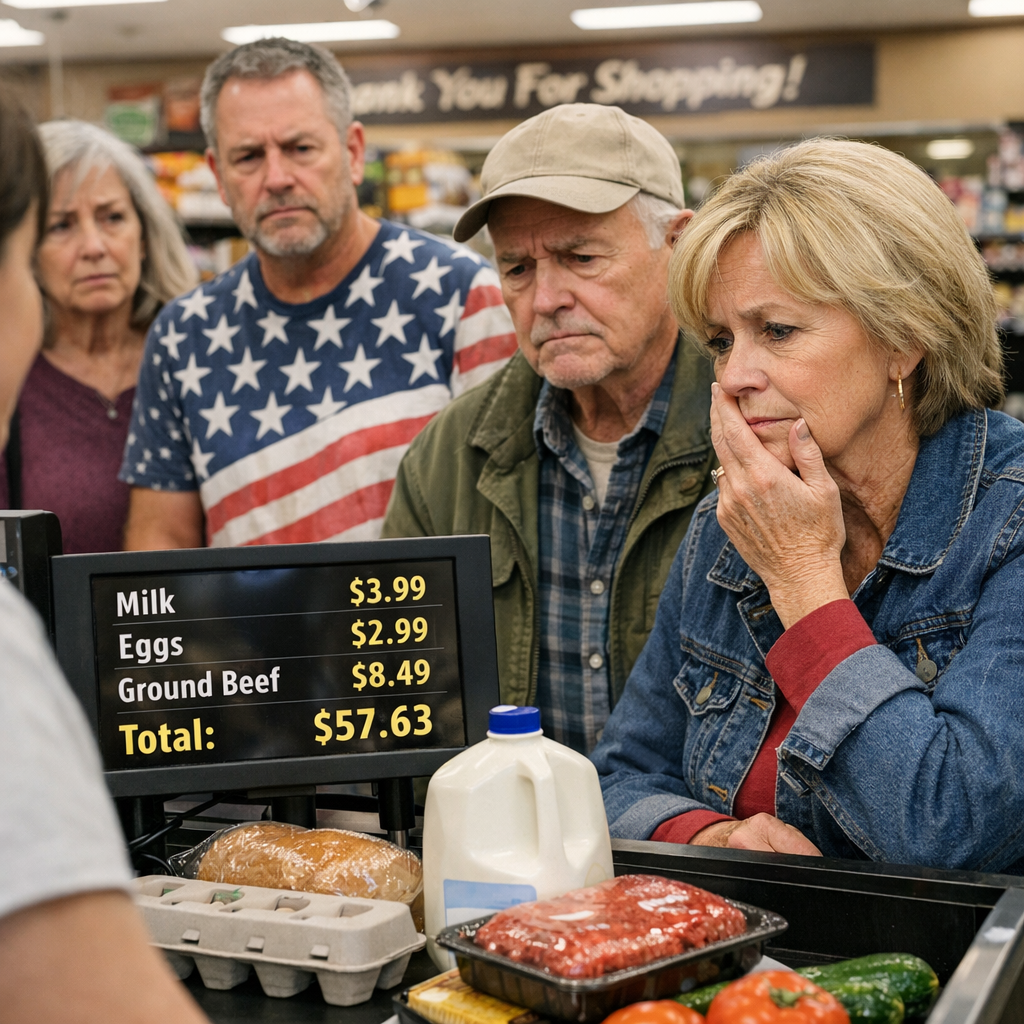
Also climbing high on people’s lists: rising costs of food, consumer goods, housing, and energy. Gas prices now draw far more attention than they did just months ago. Meanwhile, nearly half of Americans say electricity costs are a serious problem, and many express worry over how AI might change work and competition. cite
Political Trust, Partisanship, and the Big Picture
Widespread disillusionment with political institutions is becoming hard to ignore. Roughly three-quarters of Americans—across party lines—see the role of money in politics as a very big problem. Many are also frustrated by the seemingly growing gap between Democratic and Republican approaches, especially on issues like health policy, economic regulation, and government finances. cite
Further complicating things: only about one-third believe that political leaders from both parties are capable of working together effectively. Fewer than three in ten rate the national economy as “excellent” or “good,” and many say federal policies have hurt more than helped their financial situation. cite
What It Means for Akron—and Beyond
These national trends are reflected here at home. People in Akron are feeling similar pinch: higher bills, rising prices, uncertainty about jobs and health care coverage, and a general frustration with partisan gridlock in Washington. Federal programs aimed at curbing health care costs, reducing budget deficits, increasing energy affordability and making government more transparent tend to dominate local concerns during election seasons.
What voters ask: Can we expect meaningful action—not just promises? How will policies on the deficit, inflation, and health care translate into real change? Those are the questions both political leaders and everyday Americans in Akron will be watching closely in the months ahead.